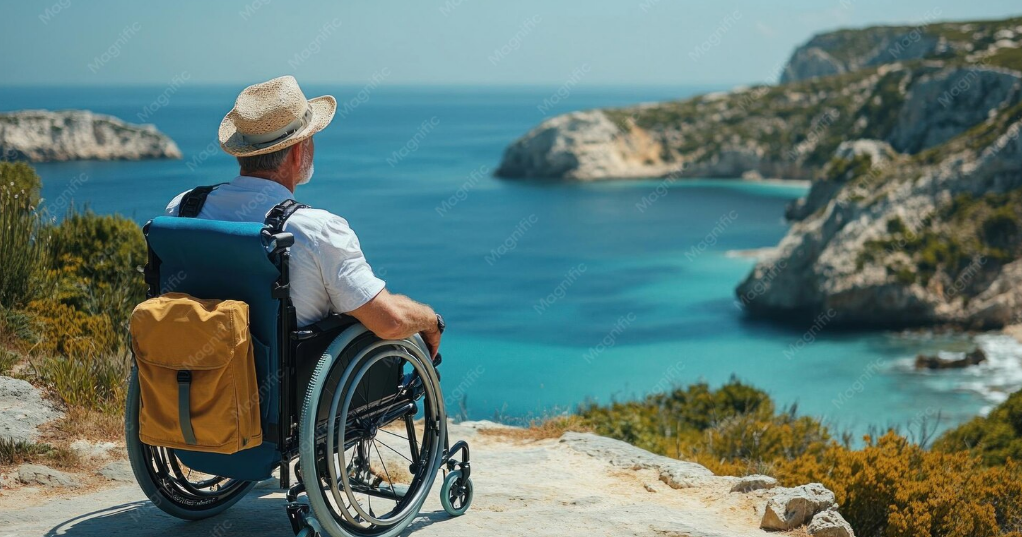

South Africa is a country of striking contrasts: modern cities and rural villages, dramatic coastlines and open savannahs, so for travellers with disabilities, the country needs to offer rewarding and memorable experiences. Yes, accessibility varies considerably between destinations, so careful preparation would be essential.
This travel guide is going to explain how to plan an accessible trip to and within South Africa. Conditions are constantly changing, so you need to confirm details with the accommodation establishment before you leave for your getaway.
Understanding Accessibility in South Africa
Accessibility in South Africa is improving, particularly in major cities, airports, hotels, shopping centers, national tourism facilities, and larger attractions. Ramps, elevators, accessible bathrooms, and designated parking are part of getting around in South Africa. However, as a traveller, you need to be aware that accessibility standards aren’t always applied in certain areas. Yes, urban areas such as Cape Town and Pretoria generally provide the widest range of accessible services, whereas the smaller towns and rural areas may have fewer adapted facilities.
The term ‘accessible’ can also mean different things to different providers. A hotel may describe a room as accessible because it is located on the ground floor, even though it may lack a roll-in shower, grab rails, or enough turning space for a wheelchair. It’s why we say that as a traveller you need to be sure of what wheelchair-friendly facilities are in a particular place.
Before booking, consider the following:
• The width of doorways and elevators
• Whether there are steps at entrances
• Bathroom layout and shower access
• Bed height and clearance
• Availability of grab rails and shower chairs
• Distance from parking or public transport
• Pavement conditions and terrain
• Accessibility of restaurants, pools, and common areas
• Emergency procedures and evacuation arrangements
Choosing the Right Destinations
South Africa is large, and travel between regions can involve long distances. Selecting destinations that match your access needs can make the journey much more comfortable.
Cape Town is one of the most popular destinations for accessible travel. It offers a broad range of hotels, restaurants, museums, waterfront attractions, and organized tours. Travellers should contact the attraction or accommodation before visiting to confirm boarding procedures and accessible routes. The Cape Town coastline includes beaches with varying levels of accessibility. Some locations may offer beach wheelchairs or accessible boardwalks seasonally, but availability should be checked in advance.
Johannesburg has many modern hotels, museums, shopping centres, theatres, and restaurants with accessible facilities. It is also a major transport hub and a practical starting point for trips to nearby attractions. Visitors should ask about accessible entrances, elevator access, and whether all exhibits can be reached without stairs.
Durban combines beaches, warm weather, cultural attractions, and a substantial hospitality industry. The beachfront promenade is among the more accessible outdoor spaces in the city, although surfaces, ramps, and beach access points differ by location. Visitors heading into rural or mountainous areas should expect fewer adapted facilities and should arrange transportation and accommodation carefully.
The Garden Route is known for scenic drives, forests, lagoons, and coastal towns. Roadside facilities and attractions vary widely, so it is best to identify accessible rest stops and hotels in advance. The route may involve uneven paths, steep viewpoints, and outdoor activities that are not universally accessible. Some operators offer adapted boat tours, forest walks, or other experiences, but availability is location-specific.
Safari Destinations. South Africa is one of the world’s leading safari destinations. Large private reserves and established national parks increasingly accommodate travelers with disabilities. Some lodges provide accessible rooms, adapted safari vehicles, ramps, transfer assistance, and guides experienced in inclusive tourism.
Kruger National Park is a major option, but accessibility differs between camps, restrooms, trails, and accommodation units.
When choosing a safari, ask:
• Can the vehicle accommodate a wheelchair?
• Is it possible to remain seated in a wheelchair during the game drive?
• If a transfer is required, who assists?
• Are vehicles equipped with steps, rails, or lifting equipment?
• Can the lodge accommodate service animals?
• Are pathways firm, level, and well-lit?
• Is there accessible access to dining areas and viewing decks?
• What medical support is available nearby?
Accessible Transportation
Transportation is one of the most important parts of planning an accessible trip. South Africa has airports and major highways that support tourism, but public transport isn’t the best.
Air Travel
Major international airports, including those serving Johannesburg, Cape Town, and Durban, generally provide wheelchair assistance, accessible restrooms, elevators, and boarding support. Request assistance when booking and reconfirm it before travel.
At smaller airports, facilities may be more limited. Confirm whether passengers board through an enclosed bridge, stairs, or an ambulift.
Car Rental and Private Transfers
A private vehicle is often the most practical option for exploring South Africa. Standard rental cars may not meet every traveller’s needs, but specialist providers may offer vehicles with hand controls, wheelchair storage, ramps, or hoists.
Public Transportation
Public transportation is improving but should not be assumed to be fully accessible. Some newer buses, trains, and rapid-transit systems have low-floor access, ramps, reserved spaces, and accessible stations. Older vehicles and stations may lack elevators, level boarding, or reliable assistance.
The Gautrain, which connects Johannesburg, Pretoria, and the airport, is generally considered more accessible than many older rail services. Stations commonly provide elevators and step-free routes, but travellers should still verify the condition of facilities and the location of accessible entrances.
Selecting Accessible Accommodation
South Africa has a wide range of accommodation, from international hotels and self-catering apartments to guesthouses, lodges, and campsites. Larger hotels are often more consistent in their accessibility features, while smaller properties may offer excellent personal assistance but fewer structural adaptations.
When booking, request a detailed description of the room and public spaces. Useful questions include:
• Is the entrance step-free?
• What is the doorway width?
• Is there space beside the bed for a wheelchair?
• Is the shower roll-in or step-free?
• Are grab rails installed?
• Is the sink usable from a seated position?
• Is the toilet height suitable?
• Are emergency alarms accessible?
• Can staff assist with luggage or transfers?
• Is there an accessible route to the restaurant and reception?
• How far the accessible path extends
• Whether changing facilities are adapted
• On the beach, can lifeguards or staff assist?
These are just some accommodation options that have made sure they offer disabled-friendly accommodation. There are others, of course, but we’ve mentioned these three:
DoubleTree by Hilton Cape Town – DoubleTree by Hilton Cape Town is a modern hotel that generally provides accessible rooms and facilities for guests with mobility needs. Its convenient location and professional services make it a practical choice, but guests should contact the hotel to confirm their exact accessibility requirements.
Owls Loft Guest House – is a wonderful country-style place in Kyalami, Gauteng, offering guests the chance to enjoy a peaceful, rural stay. Owls Loft Guest House is also wheelchair-friendly and equipped with modern amenities. Accommodation and facilities are tailored for guests with disabilities.
Tuscan Villa Guest House – Tuscan Villa Guest House in Cape Town offers a comfortable and welcoming environment for guests seeking accessible accommodation. Visitors should confirm the availability of specific wheelchair-friendly features, such as step-free entrances and adapted bathrooms, before booking.
The Westin – The Westin Cape Town offers accessible accommodation designed to provide comfort and convenience for wheelchair users. The hotel’s central location, spacious facilities, and accessible services make it suitable for both business and leisure travellers.
Taj Cape Town – Taj Cape Town is a centrally located luxury hotel that aims to accommodate guests with different mobility needs through accessible rooms and facilities. Guests should check details such as bathroom layouts, entrance access, and lift availability before making a reservation.
One&Only Hotel – This is a luxury waterfront resort offering an elegant and comfortable stay for visitors who require accessible accommodation. It is advisable to contact One&Only Hotel in advance to confirm accessible room features and access to restaurants, pools, and other facilities.
FAQ
What is accessible travel, and is it wheelchair-friendly accommodation?
Accessible travel refers to travel that allows people with disabilities, reduced mobility, or other accessibility needs to enjoy holidays comfortably and safely. This includes wheelchair-friendly accommodation, step-free access, adapted bathrooms, accessible transport, and attractions designed to accommodate all visitors.
Which South African destinations are best for wheelchair users?
Many popular destinations are becoming more accessible, including Cape Town, the Garden Route, the Kruger National Park, the Drakensberg, Durban, and parts of the Western Cape. A growing number of hotels, guesthouses, safari lodges, and attractions now offer wheelchair-friendly facilities and accessible rooms.
How do I know if accommodation is truly wheelchair accessible?
Before booking, check whether the property offers features such as step-free entrances, wider doorways, roll-in showers, grab rails, accessible parking, and wheelchair-friendly pathways. It’s always a good idea to contact the accommodation directly to discuss your specific accessibility requirements.
Can people with mobility challenges enjoy a South African safari?
Yes. Several private game reserves and national park lodges offer accessible safari vehicles, wheelchair-friendly accommodation, accessible viewing decks, and adapted facilities. With a little planning, visitors with mobility challenges can experience South Africa’s incredible wildlife in comfort.
Final Thoughts
South Africa can be an excellent destination for accessible travel when the trip is designed around accurate information, suitable transportation, and realistic daily schedules. Major cities and established tourism businesses often provide strong support, while rural regions and outdoor attractions require more detailed planning.
The most important principle is to ask specific questions. Rather than asking whether a hotel or attraction is “accessible,” describe the exact assistance or features needed. Confirm arrangements in writing, allow flexibility, and choose providers with experience supporting disabled travellers.
With thoughtful preparation, visitors can enjoy South Africa’s cities, coastlines, museums, landscapes, wildlife, and cultural experiences while maintaining comfort, independence, and safety.
Found this helpful? Share it with someone planning a South African getaway.
