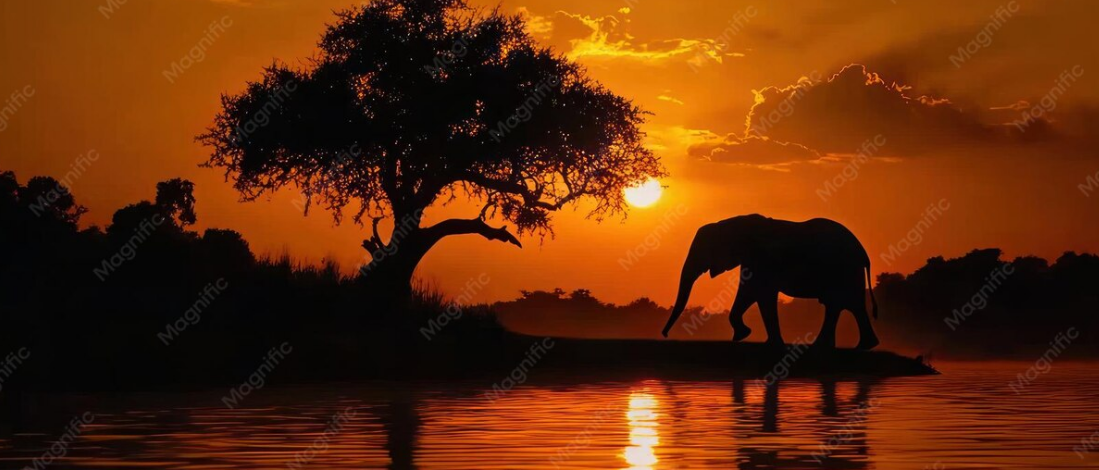
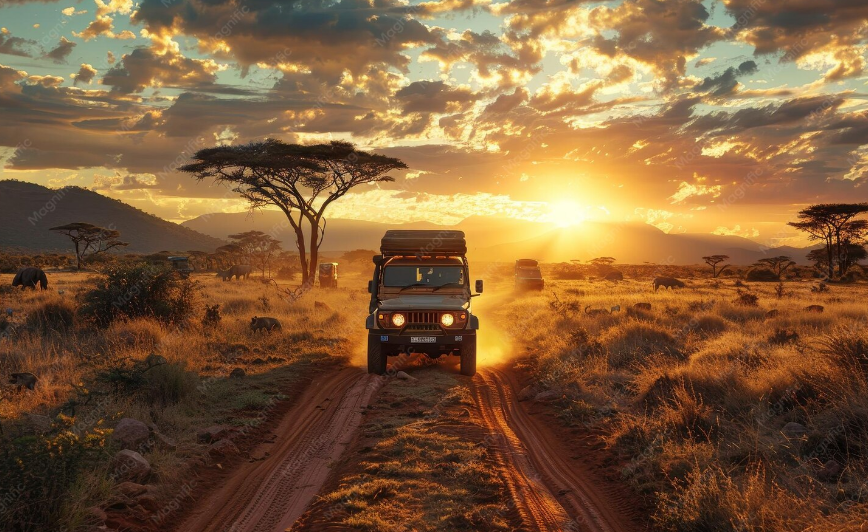
An African safari is one of the most extraordinary family holidays imaginable — and one of the most misunderstood. First-time parents often approach it with a mix of excitement and anxiety: will the children be safe? Which reserve is right for young kids? Is a safari even a sensible idea with a toddler in tow? These are reasonable questions, and the honest answer to most of them is that a well-planned family safari is far more accessible, comfortable, and safe than most people expect.
Many safari lodges and game reserves across South Africa cater specifically to families, with dedicated children’s programmes, family suites, and guides experienced with younger guests. With the right preparation, a first family safari can become the holiday your children talk about for the rest of their lives — and the one that sparks a lifelong love of wildlife and the natural world.
Why a Family Safari is Worth It
A safari creates something that very few holidays can: genuine, shared attention. Away from screens and schedules, families reconnect while watching elephant herds at a waterhole or tracking a leopard at dusk. Children who struggle to sit still for ten minutes will sit completely silent on a game drive — because the bush demands it, and they rise to the occasion every time.
There’s also a quietly educational dimension that can’t be replicated in a classroom. Wildlife, ecosystems, conservation, and the rhythms of the natural world become real and tangible rather than abstract. Children who experience this young tend to carry it with them.
Choosing the Right Safari Destination
South Africa is consistently recommended as the best starting point for first-time family safari visitors. The reasons are practical: excellent road infrastructure, world-class family-friendly lodges, malaria-free reserve options, and self-drive safari opportunities that put you in control of your own pace and budget. It’s also one of the few countries where you can comfortably combine a Big Five safari with beaches, wine country, or a city stay — making it a genuinely complete family holiday.
Popular family safari destinations in South Africa include:
- Kruger National Park
- Pilanesberg National Park
- Madikwe Game Reserve
- Dinokeng Game Reserve
- Addo Elephant National Park
For families who want to venture beyond South Africa’s borders, Tanzania, Botswana, Zambia, and Kenya all offer world-class safari experiences — though these typically require more planning, higher budgets, and additional health considerations such as malaria prophylaxis.
1. Kruger National Park
South Africa’s most famous safari destination, Kruger offers excellent Big Five sightings — lion, leopard, elephant, rhino, and buffalo — across nearly two million hectares of pristine bushveld. The park accommodates every budget, from self-drive visitors using SANParks camps to ultra-luxury private reserves along its western border.
2. Madikwe Game Reserve
Madikwe is a malaria-free reserve near the Botswana border and is particularly well-suited to families with younger children. It’s known for outstanding Big Five sightings and is one of the few reserves in South Africa with a healthy African wild dog population. Madikwe Safari Lodge offers family-friendly suites, children’s programmes, and exceptional game viewing.
3. Pilanesberg National Park
Just two to three hours from Johannesburg and Pretoria, Pilanesberg is ideal for families with limited time or younger children who may struggle with longer drives. Located within an ancient volcanic crater, it offers diverse wildlife and striking scenery. Bakubung Bush Lodge provides guided game drives, family facilities, and regular Big Five sightings in an accessible, well-managed setting.
4. Dinokeng Game Reserve
The only free-roaming Big Five reserve in Gauteng, Dinokeng is an excellent first safari option for families who want a genuine wildlife experience without a long drive from Johannesburg or Pretoria. KwaThabisile Game Lodge offers comfortable accommodation, guided game drives, and easy access to the reserve’s wildlife in a relaxed, family-friendly environment.
View KwaThabisile Game Lodge →
5. Addo Elephant National Park
Addo is famous for its remarkable elephant population — with over 600 individuals, sightings are virtually guaranteed — and is an outstanding safari destination for families exploring the Eastern Cape. The park is malaria-free and easily accessible from Port Elizabeth. Gorah Elephant Camp offers luxury tented accommodation where guests can often watch elephants from the lodge itself.
Not sure which safari destination is right for your family?
Go2Africa’s team of specialist safari consultants can match your family’s budget, ages, and interests to the right reserve, lodge, and itinerary — at no extra cost to you. They’ve been planning African safaris for over 25 years and handle everything from logistics to lodge bookings.
Matching the Experience to Your Children’s Ages
Not all safari experiences suit every age group, and choosing a lodge that genuinely caters to your children’s ages makes a significant difference to the experience.
Babies and toddlers
Travelling with very young children requires careful research. Some lodges offer babysitting services and flexible meal times, while others have minimum age requirements for game drives due to safety considerations. Look for family suites with separate sleeping areas, child-friendly facilities, and pools. Always confirm age policies directly before booking.
Children aged 5 to 12
This is often the ideal age for a first safari. Children are curious, engaged, and old enough to genuinely absorb the experience. Many lodges offer junior ranger programmes, bush treasure hunts, educational activities, guided nature walks, and wildlife presentations designed specifically for this age group. The memories formed at this age tend to last a lifetime.
Teenagers
Teenagers often respond particularly well to more immersive and adventurous safari activities — walking safaris, photography-focused drives, cultural tours, conservation experiences, and canoe safaris. A safari provides a genuinely compelling reason to disconnect from technology, and most teenagers find they don’t miss it once the first elephant appears.
What to Look for in Family-Friendly Accommodation
Choosing the right lodge is one of the most important decisions in planning a family safari. The difference between a lodge that merely tolerates children and one that genuinely caters to families is substantial.
Family rooms and suites
Larger accommodation options allow families to stay together comfortably while providing privacy when needed. Look for interconnecting rooms or standalone family units rather than standard double rooms.
Children’s programmes
Lodges like Thornybush Game Lodge offer dedicated children’s programmes that keep younger guests engaged and learning about wildlife and conservation — freeing parents to enjoy adult game drives while children have their own guided experience.
Flexible schedules
Family-focused lodges adapt meal times and activity schedules to suit younger guests — an important practical consideration when travelling with children who have established routines.
Safety and security
Reputable family lodges provide clear safety guidelines, secure perimeters, and experienced guides who understand the additional considerations involved in hosting children. Always confirm safety procedures before arrival.
Understanding Safari Seasons
One of the most common mistakes first-time safari visitors make is assuming wildlife viewing is consistent throughout the year. Season makes a genuine difference.
Dry season (May to September)
Generally considered the best time for game viewing. Vegetation thins out, animals concentrate around water sources, and spotting becomes significantly easier. Temperatures are also more comfortable in most reserves. This is peak season — book well in advance.
Green season (October to April)
The rainy season brings lush landscapes, newborn animals, outstanding birdwatching, fewer tourists, and noticeably lower accommodation rates. Wildlife viewing is more challenging but the experience is equally rewarding in different ways. For families travelling during school holidays, many South African reserves fall within the green season summer period — plan accordingly.
Planning Your Safari Budget
Safaris vary enormously in cost, from self-drive adventures in Kruger using SANParks camps to ultra-luxury private reserve experiences. The main cost categories to plan for are accommodation, transport (domestic flights, vehicle hire, transfers), park and conservation fees, activities if not included in your lodge rate, and comprehensive travel insurance — which is strongly recommended for all safari holidays with children.
Booking well in advance often provides access to family packages and early-bird rates, particularly at the more popular malaria-free reserves like Madikwe and Pilanesberg that fill up quickly during school holidays.
What to Pack for a Family Safari
Clothing
Choose comfortable, neutral-coloured clothing — khaki, olive, tan, and beige all work well. Avoid bright colours and black (which attracts tsetse flies in some regions). Pack lightweight shirts, long-sleeved tops for cooler mornings and evenings, comfortable trousers, shorts, a warm fleece or jacket, a wide-brimmed hat, and comfortable walking shoes for each family member.
Essentials
Sunscreen, sunglasses, and lip balm are non-negotiable. Insect repellent is essential, particularly in malaria-risk areas. Bring any personal medication, a basic first aid kit, and — most importantly — a camera and binoculars. Children who have their own binoculars engage with game drives on a completely different level.
Teaching Children Safari Etiquette Before You Go
A brief conversation with children before departure makes an enormous practical difference on the actual game drives.
Keep noise levels low
Loud noises disturb wildlife and reduce sighting opportunities. Most children understand this intuitively once they’re on the vehicle — but setting the expectation beforehand helps.
Stay inside the vehicle
Animals can behave unpredictably. Children should understand that leaving the vehicle without a guide’s specific instruction is not negotiable, regardless of how calm an animal appears.
Respect the environment
No littering, no feeding animals, no disturbing habitats. These rules reinforce the conservation values that make the safari experience meaningful in the first place.
Follow the guide’s instructions
Professional guides understand animal behaviour and safety in ways that guests cannot. Their instructions are always followed, without question or delay.
Ready to start planning?
Planning a family safari involves a lot of moving parts — reserves, lodges, ages, seasons, budgets, and logistics. Go2Africa’s specialist consultants handle all of it, building a custom itinerary around your family’s specific needs. Their service costs nothing extra, and their knowledge of which lodges genuinely suit which ages is hard to replicate through independent research.
Frequently Asked Questions
Is a safari suitable for young children?
Yes, with the right lodge and reserve. Many South African lodges cater specifically to families and offer activities designed for children of different ages. Some reserves and lodges have minimum age requirements for certain activities — always confirm directly before booking.
What is the best age for a child’s first safari?
Many safari guides consider 5 to 12 the ideal window — old enough to genuinely appreciate and remember the experience, young enough to be completely captivated by it. That said, family-friendly lodges can accommodate younger children with appropriate facilities and flexible programming.
How many days should a family safari last?
Three to five days is generally sufficient for a first safari — long enough to experience the rhythms of the bush and maximise sighting opportunities without exhausting younger children. Families combining a safari with other holiday elements often plan five to seven nights total in the bush.
Are safaris safe for families?
Yes. Reputable lodges and professional guides follow strict safety procedures that have been refined over decades. Following guide instructions and lodge rules at all times ensures a safe experience for everyone.
Is South Africa malaria-free?
Not entirely — the Lowveld areas bordering Kruger National Park carry a malaria risk, particularly during the summer months. However, several of South Africa’s finest reserves — including Madikwe, Pilanesberg, and Addo — are entirely malaria-free, making them particularly popular choices for families with young children. Always consult a travel health professional before any safari trip.
For accommodation across all of South Africa’s major safari destinations, explore our Mpumalanga and Limpopo province pages for game lodge and safari accommodation listings.
Found this helpful? Share it with someone planning a South African getaway.