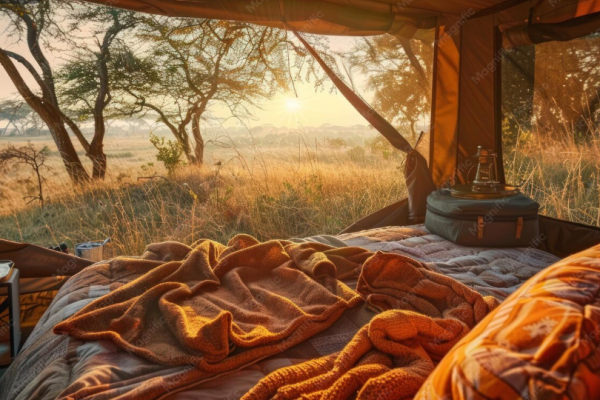
If there is one destination that captures the very essence of an authentic African safari, it is the Greater Kruger. Stretching across millions of hectares of protected wilderness in northeastern South Africa, the Greater Kruger is a place where wildlife roams freely, ancient landscapes remain largely untouched, and every game drive promises something extraordinary.
For many travellers, a safari is a once-in-a-lifetime experience. Choosing the right destination can make the difference between simply seeing animals and truly immersing yourself in the magic of the African bush. The Greater Kruger offers exactly that — a combination of world-class wildlife viewing, exceptional accommodation, expert guides, and breathtaking natural beauty that few destinations anywhere in the world can match.
What Is the Greater Kruger?
Many visitors assume the Greater Kruger and Kruger National Park are the same place. While closely connected, the Greater Kruger is much more than the national park itself.
The Greater Kruger encompasses Kruger National Park together with a collection of adjoining private game reserves. Because there are no fences separating these reserves from Kruger National Park, wildlife moves freely across the entire ecosystem. Elephants, lions, buffalo, rhinos, leopards, cheetahs, wild dogs, giraffes and countless other species follow ancient migration routes without recognising reserve boundaries.
Some of the best-known private reserves include:
- Sabi Sand Game Reserve
- Timbavati Private Nature Reserve
- Klaserie Private Nature Reserve
- Balule Nature Reserve
- Thornybush Nature Reserve
- Manyeleti Game Reserve
- Kapama Private Game Reserve
Together, these protected areas create one of Africa’s largest and most important conservation landscapes.
Unmatched Big Five Game Viewing
The number one reason travellers choose a Greater Kruger safari is the exceptional wildlife.
The region is famous for reliable sightings of the Big Five:
- Lion
- Leopard
- Elephant
- Buffalo
- Rhino
While all five are found throughout the ecosystem, Greater Kruger has earned a global reputation for extraordinary leopard sightings. Experienced trackers can often locate these elusive cats resting in trees, stalking prey, or walking confidently along bush roads.
Game drives frequently include encounters with:
- Cheetahs
- Warthogs
- Giraffes
- African wild dogs
- Hyenas
- Hippos
- Crocodiles
- Zebras
- Numerous antelope species
Bird enthusiasts are equally rewarded, with more than 500 bird species recorded across the region.
The Magic of Private Game Reserves
Although Kruger National Park offers excellent wildlife viewing, staying in one of the Greater Kruger’s private reserves provides an entirely different safari experience.
Private reserves offer:
- Smaller numbers of vehicles
- Expert ranger and tracker teams
- Off-road driving to wildlife sightings
- Night game drives
- Guided walking safaris
- Personalised service
- Luxurious accommodation
Because visitor numbers are limited, sightings feel more intimate and relaxed. Rather than sharing a lion sighting with dozens of vehicles, you may find yourself quietly watching a pride with only one or two safari vehicles nearby.
This exclusivity allows guests to spend longer observing animal behaviour while guides explain fascinating aspects of wildlife ecology and conservation. For a broader look at reserves in this category, see our guide to South Africa’s most exclusive safari lodges.
Luxury Meets Wilderness
The Greater Kruger has become synonymous with luxury safari experiences.
Accommodation ranges from comfortable bush camps to some of Africa’s most celebrated luxury lodges. Many lodges feature:
- Private plunge pools
- Spacious suites
- Outdoor showers
- Fine dining
- Spa facilities
- Viewing decks overlooking waterholes
- Personal butler service
- Private safari vehicles
Yet despite these luxurious comforts, the wilderness always remains the main attraction. It is not unusual to watch elephants drinking from your deck, hear lions roaring after dark, or wake to birdsong echoing through the bushveld.
Famous Safari Lodges
The Greater Kruger is home to many internationally acclaimed safari lodges, each offering its own take on the classic safari experience.
Singita Lebombo Lodge — dramatic glass-and-steel suites perched high above the N’wanetsi River, blending contemporary architecture with untamed bush views. This is ideal for design-conscious travellers who want ultra-luxury with a modern edge.
View Singita Lebombo Lodge →
Singita Sweni Lodge — an intimate six-suite camp on the Sweni River, sister property to Lebombo, offering total privacy amid riverine forest. This is ideal for couples wanting an intimate, low-key luxury escape.
View Singita Sweni Lodge →
Londolozi Granite Suites — a Sabi Sands institution renowned for its leopard legacy and warm, personalised hospitality. This is ideal for repeat safari-goers seeking legendary leopard sightings and top-tier guiding.
View Londolozi Granite Suites →
Cheetah Plains — a fully solar-powered lodge with sleek design and electric safari vehicles, a pioneer of sustainable luxury safari. This is ideal for eco-conscious travellers who don’t want to compromise on style.
View Cheetah Plains →
Royal Malewane — Thornybush’s flagship property, known for opulent suites, an award-winning spa and superb Big Five terrain. This is ideal for honeymooners and milestone celebrations.
View Royal Malewane →
Lion Sands — offers unique treehouse sleepouts along the Sabie River alongside its classic suites. This is ideal for adventurous families wanting something different from the usual lodge stay.
View Lion Sands →
Dulini — a collection of intimate camps in Sabi Sands known for exceptional guiding and a genuine, unpretentious bush atmosphere. This is ideal for guests who want an authentic safari feel without excess formality.
View Dulini →
Ulusaba — Sir Richard Branson’s Sabi Sand retreat, combining playful design with serious game viewing. This is ideal for design lovers and families looking for a lodge with personality.
View Ulusaba →
Tanda Tula Safari Camp — a classic canvas tented camp in Timbavati, home to the region’s famous white lion sightings. This is ideal for travellers who want a traditional tented-safari feel.
View Tanda Tula Safari Camp →
Thornybush Game Lodge — an accessible luxury lodge in the heart of Thornybush Reserve with consistently strong Big Five sightings. This is ideal for first-time safari-goers wanting reliable game viewing at a more approachable price point.
View Thornybush Game Lodge →
Malaria Warning: Some of these properties are situated in malaria-risk areas. Consult your medical practitioner regarding anti-malaria requirements prior to travel.
Incredible Leopard Sightings
Few places on Earth rival the Greater Kruger for leopard encounters. Years of conservation, skilled tracking teams, and healthy leopard populations mean guests often enjoy multiple sightings during a single stay.
Watching a leopard descend from a marula tree, stalk impala through tall grass, or protect cubs hidden among rocky outcrops is an experience that stays with visitors forever. For wildlife photographers, this alone is often reason enough to choose the Greater Kruger.
Walking Safaris
While game drives remain the highlight for many visitors, guided walking safaris provide an entirely different perspective. Accompanied by armed professional guides, guests learn to appreciate animal tracks, bird calls, insects, medicinal plants, trees and shrubs, and smaller creatures that are often missed from a safari vehicle.
Walking through the African bush heightens every sense, creating a deeper appreciation for this remarkable ecosystem.
Night Drives
As the sun disappears below the horizon, another world awakens. Private reserves conduct night drives that reveal fascinating nocturnal animals rarely seen during the day, including civets, genets, porcupines, honey badgers, bush babies, owls, leopards on the hunt and hyenas patrolling their territories.
Experiencing the bush after dark adds another exciting dimension to a Greater Kruger safari.
A Photographer’s Dream
Whether you’re using a smartphone or professional camera equipment, the Greater Kruger offers endless photographic opportunities. Golden morning light, dramatic sunsets, ancient trees, dust trails, and abundant wildlife combine to create spectacular images.
Professional wildlife photographers regularly return to the Greater Kruger because every safari offers different lighting, animal behaviour, and unique encounters.
Conservation at Its Best
The Greater Kruger represents one of Africa’s greatest conservation success stories. Private reserves work alongside Kruger National Park to protect endangered species, combat poaching, restore habitats, and support scientific research.
Many lodges actively contribute to rhino protection, wildlife monitoring, anti-poaching initiatives, habitat restoration, community education and sustainable tourism. By visiting the Greater Kruger, travellers help support these important conservation efforts.
When Is the Best Time to Visit?
Winter (May to September)
This is generally considered the prime safari season, with cooler temperatures, sparse vegetation, easier wildlife viewing, animals gathering around water sources, and pleasant game drive conditions.
Summer (October to April)
The rainy season transforms the bush into lush green landscapes, bringing baby animals everywhere, excellent birdwatching, dramatic skies, beautiful scenery, fewer visitors and outstanding photography.
Every season has its own unique appeal.
Choosing the Right Accommodation
The Greater Kruger caters for virtually every type of traveller.
Luxury Safari Lodges
Ideal for honeymooners and special celebrations, offering premium service, gourmet cuisine and exclusive safari experiences.
Boutique Bush Lodges
Perfect for couples seeking comfort with a more intimate atmosphere.
Family-Friendly Safari Lodges
Many lodges offer family suites, children’s activities and educational bush programmes.
Eco-Lodges
Designed for environmentally conscious travellers who value sustainability alongside comfort.
What to Pack
- Neutral-coloured clothing
- Comfortable walking shoes
- Hat
- Sunglasses
- Sunscreen
- Insect repellent
- Camera
- Binoculars
- Light jacket for early morning drives
Avoid brightly coloured clothing, which may attract unnecessary attention from wildlife.
Beyond Game Drives
Many visitors are surprised by how much there is to enjoy between safari activities, including spa treatments, bush breakfasts, sundowners in the wilderness, cultural experiences, stargazing, swimming pools, wine tastings and photography workshops. These activities complement the safari without overshadowing the wilderness itself.
Why Travellers Return Again and Again to Kruger
Ask anyone who has visited the Greater Kruger, and you’ll often hear the same response: one safari is never enough. No two game drives are ever identical.
One morning may reveal a leopard with cubs, while the afternoon brings a herd of elephants crossing a river. The next day could feature lions on a hunt, endangered wild dogs on the move, or a rare cheetah sprinting across the open plains. This unpredictability is precisely what makes every safari so exciting.
Frequently Asked Questions
What is the difference between Kruger National Park and the Greater Kruger?
Kruger National Park is the government-run national park, while the Greater Kruger includes the national park plus a group of unfenced private reserves such as Sabi Sand, Timbavati and Thornybush, allowing wildlife to move freely across the combined area.
Is malaria a risk in the Greater Kruger?
Yes, most of the Greater Kruger falls within a malaria-risk zone. Speak to your doctor or a travel clinic about anti-malaria medication before your trip.
Do I need to self-drive, or can I stay at a lodge without a car?
Private lodges in the Greater Kruger include game drives with your stay, so a rental car isn’t necessary if you’re staying in a private reserve. Self-driving is more common for guests staying inside Kruger National Park itself.
What is the best time of year for a Greater Kruger safari?
Winter (May to September) offers the easiest game viewing thanks to sparse vegetation and animals gathering at water sources, while summer (October to April) offers lush scenery, baby animals and excellent birdwatching.
Final Thoughts
The Greater Kruger is far more than a safari destination — it is one of Africa’s greatest natural treasures. From its vast unfenced wilderness and extraordinary wildlife to its luxurious lodges and passionate conservation efforts, every aspect of the region reflects the very best of South African safari tourism. Once you’ve experienced the magic of this remarkable wilderness, you’ll understand why so many visitors leave already planning their return.
If you want to check out some other amazing safari lodges in South Africa, have a look at our Looking for South Africa’s Most Exclusive Safari Lodges guide.
Found this helpful? Share it with someone planning a South African getaway.